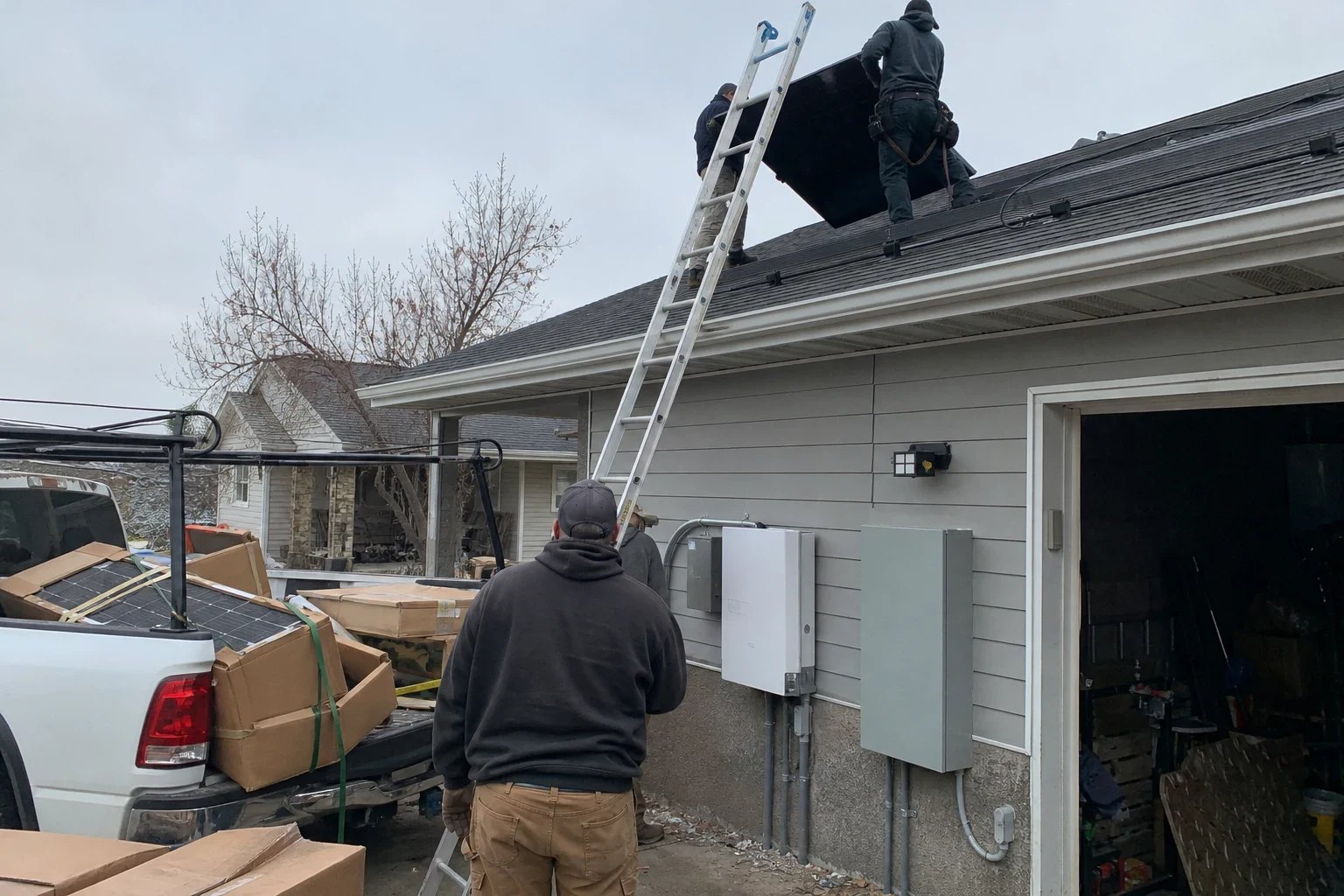
A Midvale Solar Company That Starts With Your Electrical Panel
We design solar and battery systems for homes of every age, and we pay close attention to older ones. Before we size an array, we open the main panel, trace the service wiring and note past repairs, so the system you get matches the house you actually have.
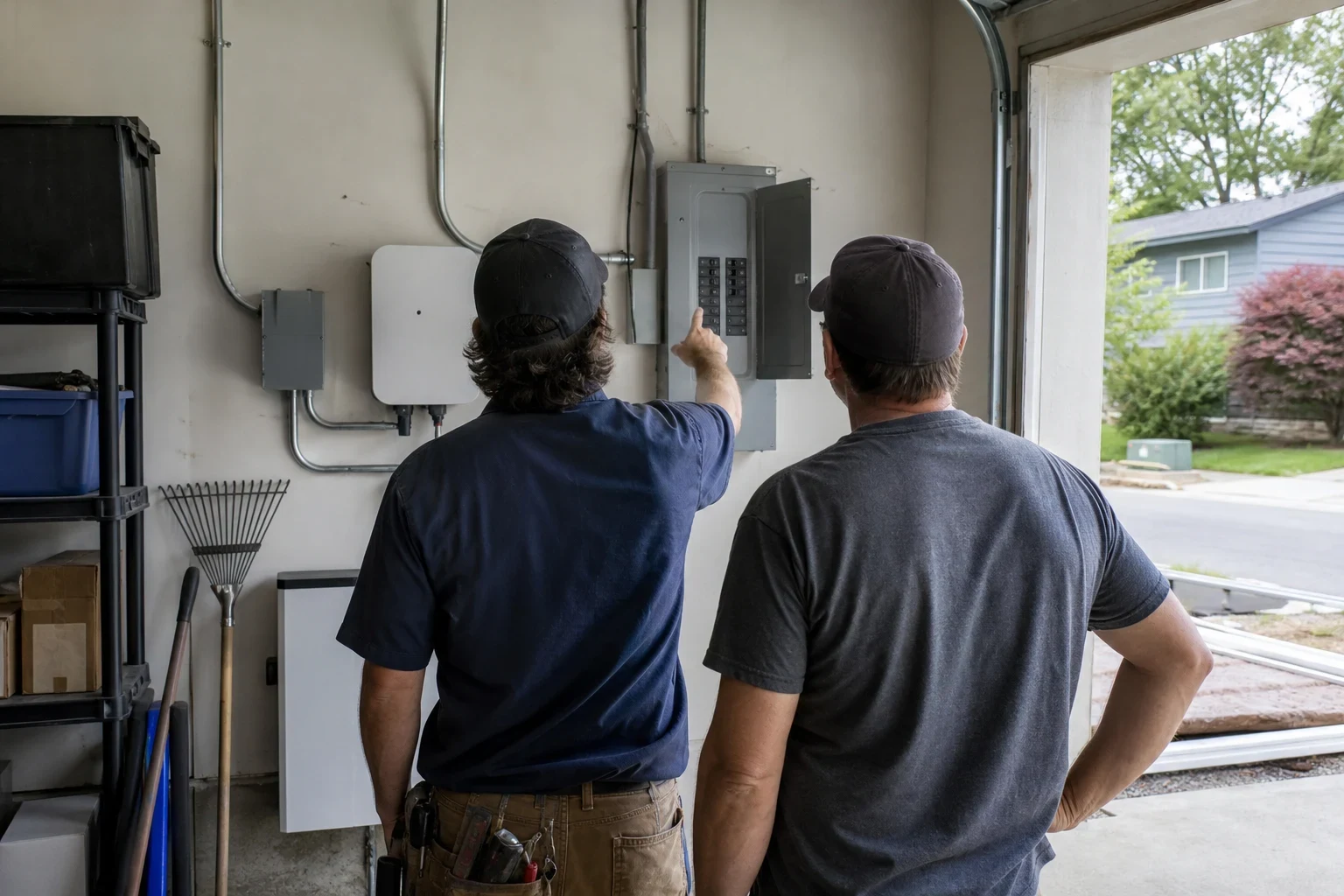
Why We Look Behind the Panel Cover First
A solar system is only as sound as the electrical equipment it connects to. On a newer house that usually means a 200-amp panel with room to spare. On an older one, we often find a 100-amp service, a split-bus panel, or a brand like Federal Pacific Stab-Lok or Zinsco whose breakers have a history of not tripping when they should. Backfeeding solar into equipment like that is not something we do and hope for the best.
So our process starts with an inspection of the parts most people never see: the meter base, the service entrance conductors, the grounding electrode, the busbar rating and the labels on each breaker. Decades of ownership leave marks. A circuit added by a previous owner, a two-prong outlet run without a ground, a breaker that no longer matches its label. We photograph what we find and show you, so you can see why a recommendation is on the list.
From there we design around the facts. If your busbar can't accept the backfeed under the 120 percent rule, we explain the options, such as a line-side tap or a panel upgrade, and what each one changes. We are licensed in all states we serve, and we pull the permits and schedule the inspections the job requires.
How We Work on Your Home
- 01
Inspection before design
We size the array and choose the inverter only after we know your service capacity and panel condition. A design drawn from a satellite image alone can miss a 100-amp main that limits what the house can safely take.
- 02
Line-item estimates
Your quote lists the panels, inverter, racking, wiring and any electrical corrections as separate lines. If an older panel needs work, you see that cost on its own and why it is there.
- 03
Straight answers on what's worth it
Some homes are a strong fit for solar, and some need electrical work first that changes the math. We tell you which one yours is. Our free solar savings analysis compares your usage history against realistic production, including shorter winter days.
- 04
Clean, labeled work
We route conduit neatly, label every disconnect and breaker we touch, and leave a site plan showing where each component sits. The next electrician who opens your panel will know exactly what was done.
Homes We Serve Around Midvale
We work on homes across Midvale and nearby communities, including Murray, Sandy, West Jordan, Taylorsville, Holladay, Cottonwood Heights, Millcreek, South Jordan, White City and West Valley City. Our services cover solar panel installation, battery storage and solar system add-ons such as monitoring and expanded capacity. Systems are available with $0 up front, and if you refer a neighbor who goes solar, you earn $1,000 for that referral.
- Midvale
- West Jordan
- Sandy
- Taylorsville
- Murray
- Cottonwood Heights
- Holladay
- White City
- West Valley City
- South Jordan
- Millcreek
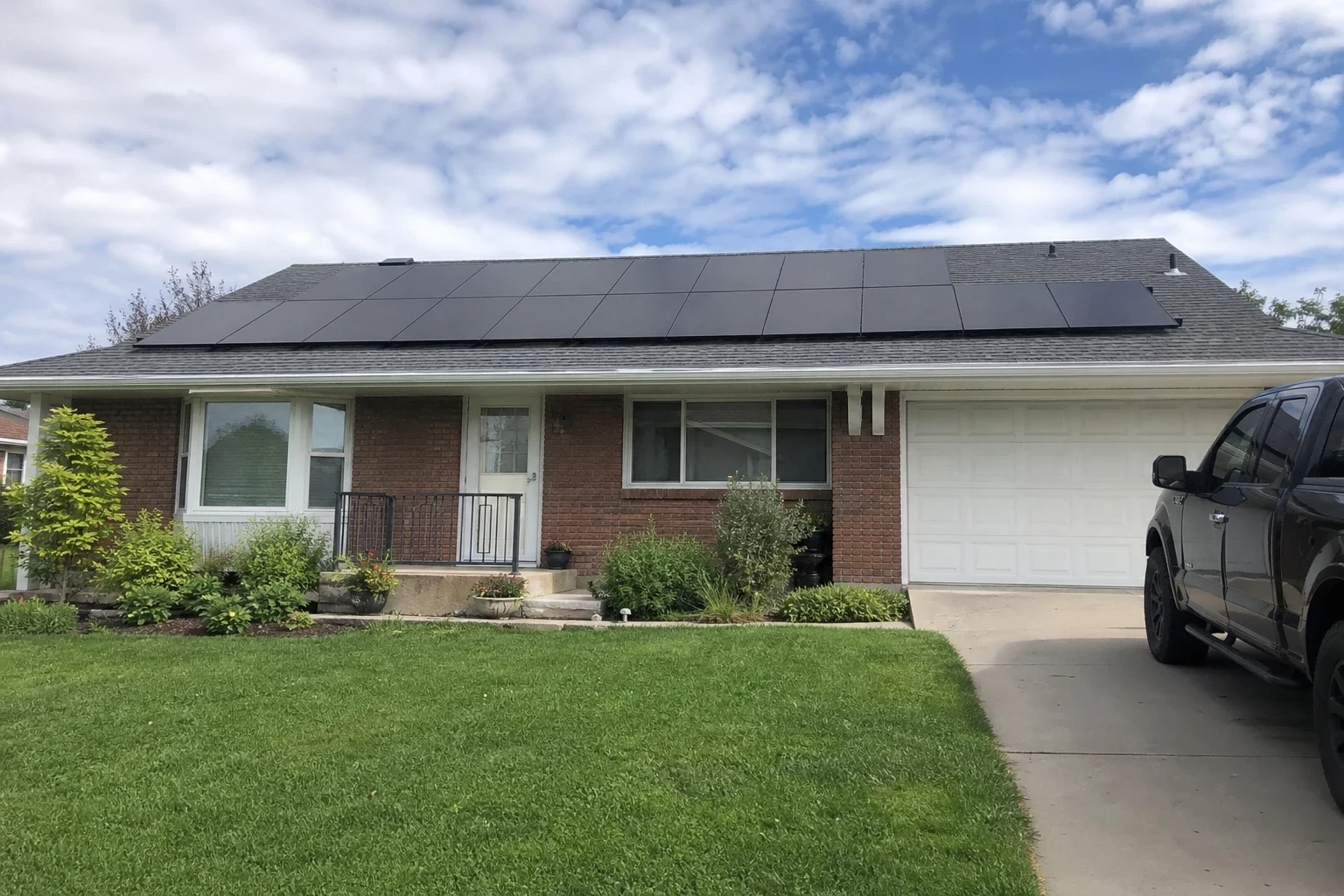
See What Your Home Can Support
Tell us your address and a recent utility bill on the phone, and we'll start with your electrical setup and usage. You'll get a clear picture of production, savings and any panel work before you commit to anything.